Connect with our team today
With over 14,000 chemical spills are reported in the United States each year, a timely and well-planned response to a spill is vital to limiting environmental and community impacts and reducing risk and associated costs.
We're here to support your goals
Our environmental incident management support speeds the transition from initial emergency response to interim response so that you can focus on returning your asset to full operation.
Call our AIM 24/7 Emergency Hotline at 1-800-281-1009
|
Our Services
|
|
Emergency Incident Response Resources
Case Study
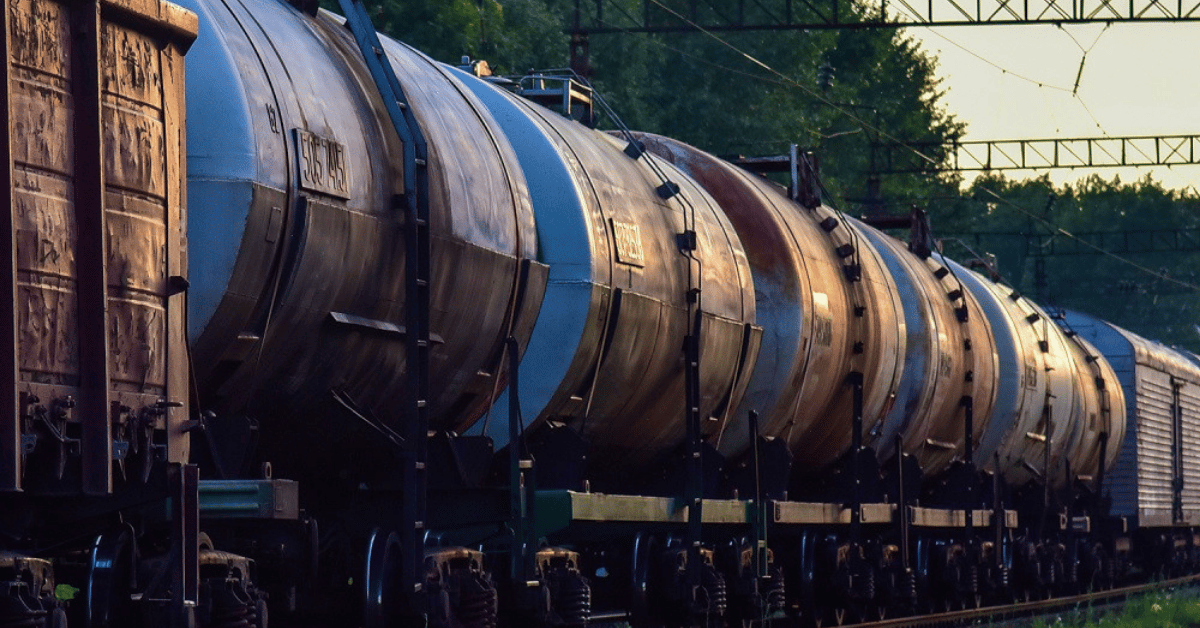
Incident Management: AIM Response to Ethanol Train Derailment
The client, a class I freight railroad company, requested Antea Group’s Incident Management (AIM) team to mobilize to an ethanol train derailment to provide incident management support for releases from several railcars containing ethanol. A timely and well-planned response to a spill is vital to limiting environmental and community impacts and reducing risk and associated costs.
Blog
How to Create an Effective Incident Response Communication Plan
Communication planning for incident response often gets overlooked. But when you consider just how much has to be done in the event of an incident, and how fast it all has to happen, it's easy to see why this critical step needs dedicated attention. When an incident occurs, the right messages—delivered to the right people, through the right channels, at the right time—can make the difference between chaos and control. In this guide, we focus specifically on building an incident response communication plan that protects people, minimizes risk, and accelerates recovery.
Case Study
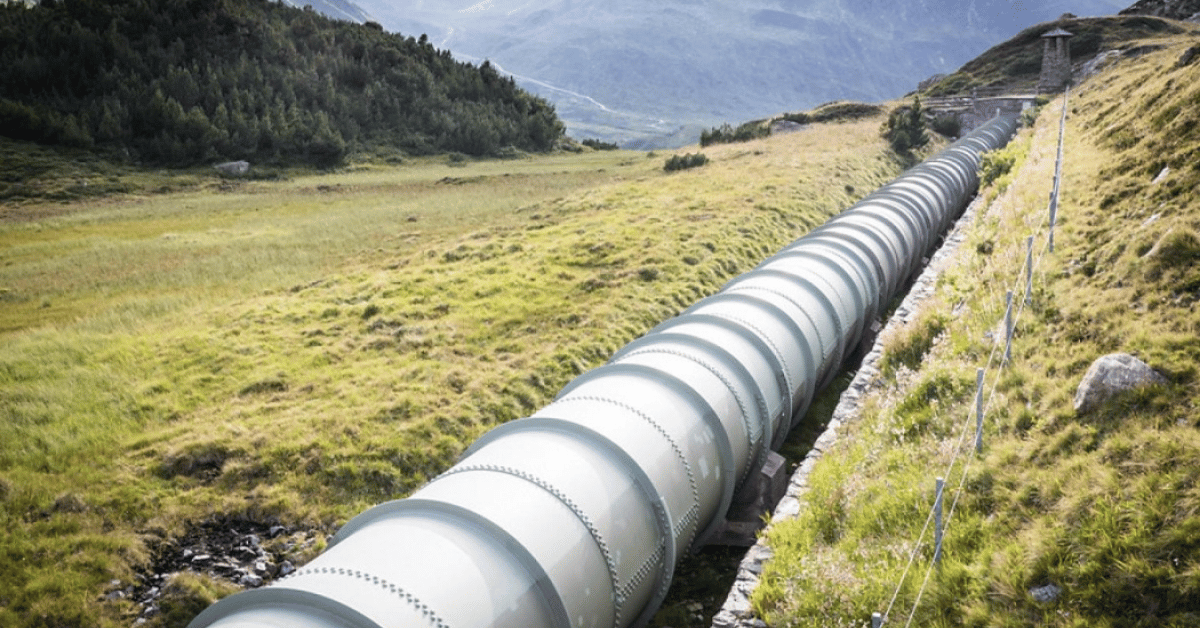
Emergency Response for Crude Oil Pipeline Release
Antea Group was asked to support the response to a pipeline spill of 20,600 barrels of crude oil in a wheat field in the Great Plains. Project challenges included a remote location, the need for 24/7 operations through seasonal severe weather for multiple years, the need for immediate mitigation efforts coupled with a transition to a longer-term assessment and site remedy, multiple sub-surface water-bearing zones, and the need for treatment of over 1,200,000 tons of impacted soil through on-site treatment. The overall project objective was to return the land to agricultural use and prevent any impacts from reaching the groundwater aquifer.